veterinary well being,by design
You still love this work. You are still exhausted. Veterinary burnout is not a failure of resilience. It is a failure of design, and design is something a hospital can change.
what we build
Most veterinarians are not in crisis and not thriving either. They sit in a middle band that crisis resources and wellness perks both miss, and it is the largest group in the profession.


six stressors
The pressures specific to this profession, named precisely enough to act on: Demand Pressure, Emotional Load, Financial Strain, Moral Distress, Toxic Culture, Liability Risk.

five levers
Five structural counterweights, each drawn from established operational and organizational literature: Demand Control, Job Resources, Personal Resources, Values Alignment, and Positive Psychology Interventions.

one matrix
Two things predict where a veterinarian lands: how compressed their work is, and how engaged they are. Plot those, and you get four states Flourishing, Overdrive, Languishing, and Burnout. Most people are not where they assume they are, and the most dangerous quadrant is the one that looks like success.
The veterinary well-being framework exists so a leader can stop guessing. It names what is happening, where, and which lever answers it.

this is not a plea to slow down
The first objection is always the same. Longer appointments and protected time mean fewer cases and less revenue.
It does not follow, and the design at Doc Pet Care is built on the opposite premise. An empty appointment slot is an inventory item that cannot be resold. A recommended plan a family declines produces nothing at all. Most of what looks like a capacity problem is a conversion problem and a role-design problem, and both are addressable without compressing a single appointment.
Well-being design and financial performance are not a tradeoff here. They run through the same structures.
designed into a working hospital
This is not a model developed at a distance from the exam room. Doc Pet Care is a full-service veterinary hospital opening in January 2027, and it is being built around the Architects of Well Being framework. The roles, the scheduling, and the way money conversations are handled are all designed from it structural decisions made before the doors open rather than programs added afterward. That is the difference between a framework and a slide deck.
who is behind this
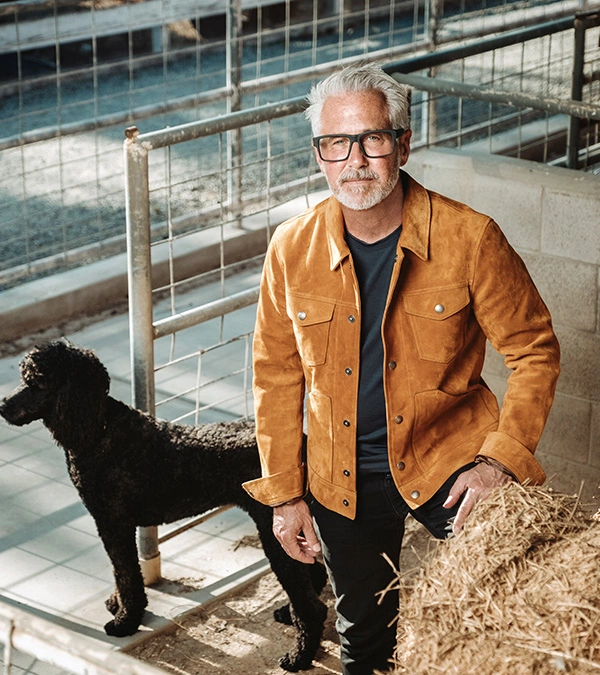
Rob Santos, DVM, MBA, MAPP.
Thirty-five years in clinical practice. A practice owner. And a Master of Applied Positive Psychology from the University of Pennsylvania, where the framework began as a capstone on the veterinarians who are neither flourishing nor in crisis.
Most people working on veterinary well being come from one side or the other: clinicians who know the exam room but not the science, or academics who know the science but have never had to tell a family what a treatment costs.